
Barney Wragg, a former chief executive for Andrew Lloyd Webber’s Cats-to-Evita empire, has founded a new music tech startup that aims to recreate classic gigs and concerts using digital avatars of the performers.
Set up last year, Unit1 has secured nearly £15m in funding from a group of investors which includes tech backer Balderton Capital through its partner Daniel Waterhouse, who made early investments in Spotify.
Unit1 hopes to put on shows fronted by “hyper realistic” avatars of living artists who are no longer touring, as well as recreating historic shows by performers who have passed away. In the case of the latter, it will develop avatars using a combination of archive footage and performers who resemble the deceased stars in either looks or style, blending both aspects together to create the avatar.
Anyone who’s seen Abba Voyage knows that this is not a new concept; indeed, an avatar of Tupac Shakur ‘performed’ at Coachella in 2012. However, Unit1 aims to offer a lower cost version of the experience by offering artists, venues, promoters and rights holders a route to digital shows without needing a dedicated space. In theory, the tech would also allow for shows to take place in multiple locations simultaneously.
Unit1’s technology has been tested with Scottish singer-songwriter KT Tunstall, who worked with Wragg in the past at music publisher EMI. In a pilot session, Tunstall recreated a performance from Later… with Jools Holland in a London studio. The decades old performance was filmed by motion capture cameras and the footage updated to show Tunstall as she looks now.
The new funding will allow the business to further its R&D as well as securing licensing deals and intellectual property with artists and their estates.
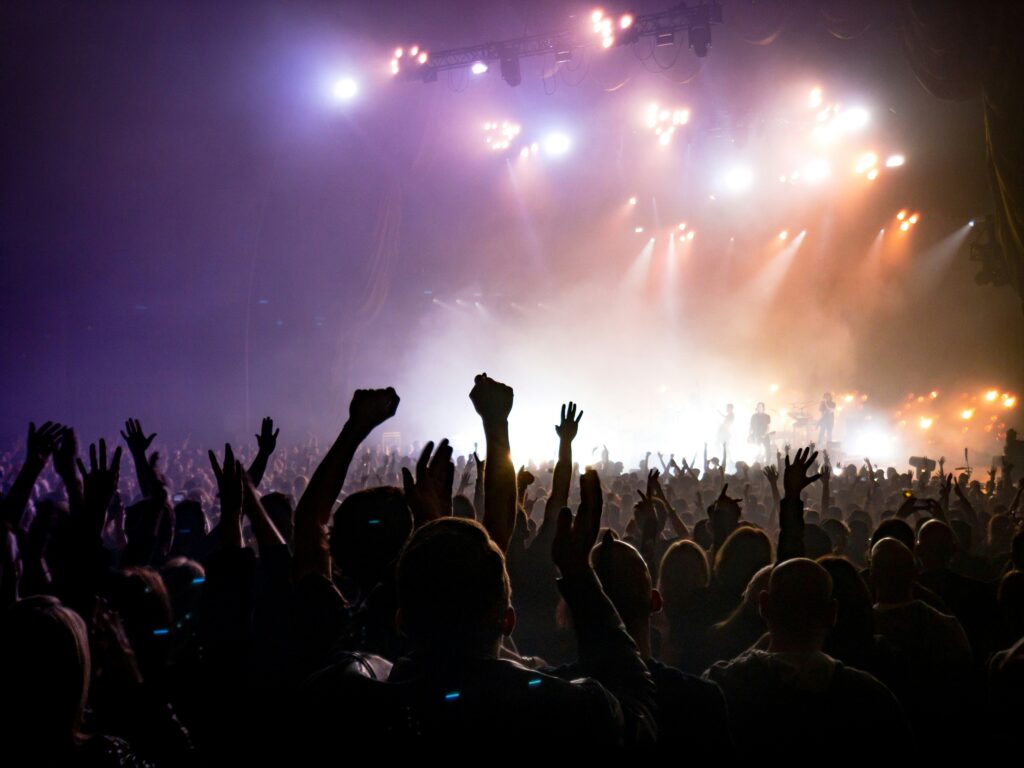
Unit1 envision live musicians performing with real instruments alongside the digital representations. Gig goers will see a high-def LED screen and full stage lighting, sound and props to present the illusion of a fully human performance.
“For the audience member in the room it is seamless between the digital and the physical room, immersing them,” Wragg told the Guardian. “It’s a teleportation of an audience member to a time and place.”