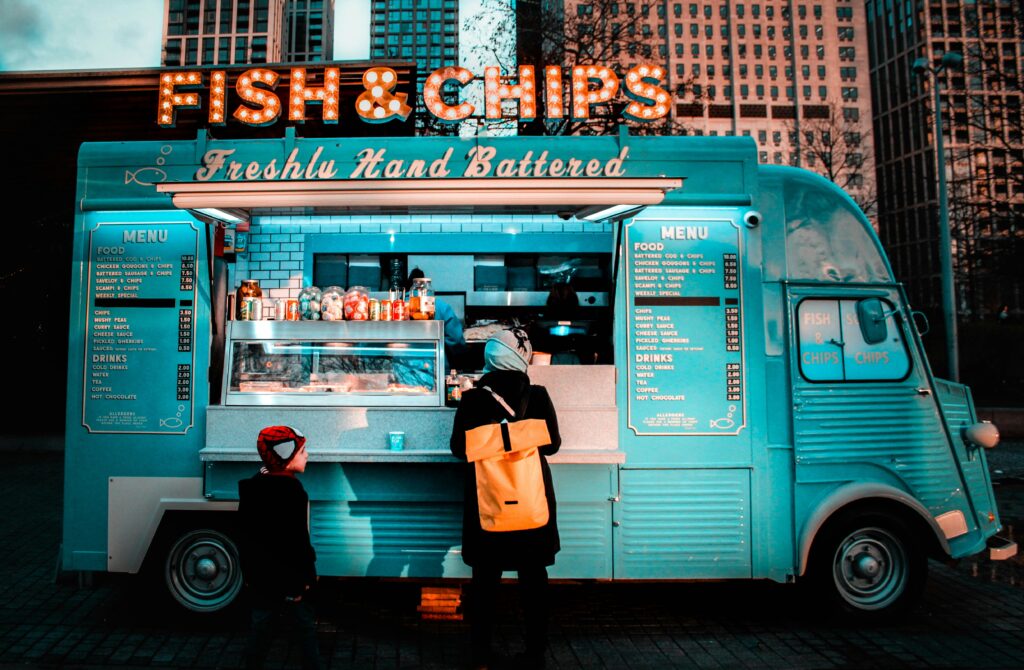
In 2007, Darren Sudlow drove past an empty stationmaster’s house at Padgate station in Cheshire and decided to lease it. He had been a joiner, but had always wanted to run a fish and chip shop. He called it the Plaice Station.
Darren worked hard to get it open and, when he finally did, there was a queue out the door. His son Kieran, then 11, helped out after school peeling potatoes and washing dishes before eventually learning to cook at the range. The family business went on to win local awards and build a loyal customer base.
For almost two decades, the business grew alongside the family. Then earlier this year, Darren told Kieran that the shop was no longer making enough money. They closed the Plaice Station in April after 19 years of trading.
The problem was a familiar one for small businesses: costs had risen faster than the customers’ willingness to pay.
Fish was a particular problem. An 18kg case of cod that cost Kieran’s fellow chippy owner Andrew Crook around £160 three years ago was costing him £330. The cod quota in the Barents Sea had fallen from around 1m tonnes in 2020 to 285,000 tonnes this year, while other costs including potatoes, cooking oil, energy, business rates and wages had also increased.
Prices had gone up accordingly. The average takeaway portion rose from around £7 in 2021 to £11.43 in 2026. For a family of four, a traditional fish and chip supper was approaching £50, and customers were beginning to visit less often.
The Sudlows found themselves caught between rising costs and limited pricing power. Their accountant warned that crossing a £230,000 turnover threshold would mean losing their VAT flat-rate arrangement, so they calculated that closing for three weeks would actually leave them better off than staying open. To make the change worthwhile, they would have needed to generate another £2,000 a week in sales.
That was difficult when customers were already becoming more price sensitive.
Kieran didn’t leave the food business after closing the Plaice Station. Three months later, he reopened the premises as Between Bread, a high-end sandwich shop, after researching food trends and visiting competitors around the country. The menu includes Japanese milk bread, braised beef and spicy tuna, and Kieran says turnover is now much higher than it was at the chippy.
Other fish and chip shops are taking a different approach.
Brothers Aman and Gavin Dhesi founded the Scrap Box near York 12 years ago. After Covid, they considered selling the business or changing direction, but decided instead to invest more heavily in what they already had. They buy their fish from Iceland, use Marine Stewardship Council-certified supplies and fry in Irish beef dripping, while keeping the menu relatively simple.
That approach appears to be working for them. On one Friday evening, they sold around 650 portions, and the brothers have since expanded the business’s profile, including travelling to Iceland to learn more about their suppliers and planning pop-ups in Japan.
The two businesses illustrate different responses to the same problem. The Plaice Station had loyal customers, awards and nearly two decades of trading behind it, but its underlying economics had stopped working. Between Bread changed the proposition entirely, while the Scrap Box has kept the traditional product and invested in making it distinctive.
There is a useful lesson here for any founder whose costs are rising faster than their revenue. A business can remain popular while its economics deteriorate, particularly when customers have a limit to how much they are prepared to pay. When that happens, cutting costs only gets you so far. At some point, the choice becomes whether to change the proposition, find a different way to create value or move on to something else.
Fish and chips isn’t disappearing, but the model that made it an affordable British staple is becoming much harder to sustain.