
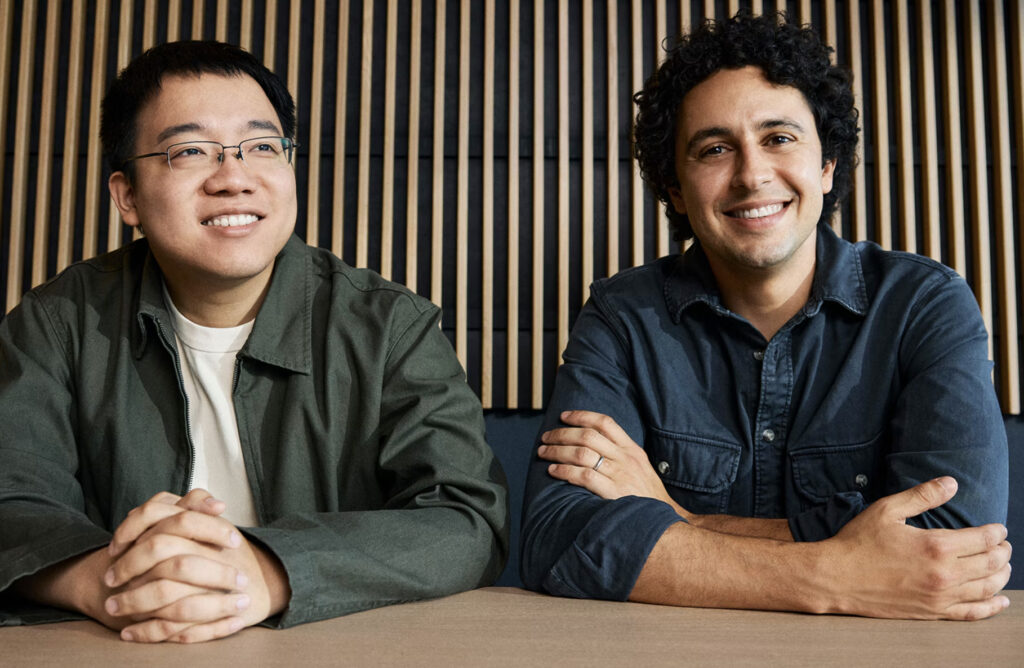
Robotics startup Genesis AI which was valued at $3.5bn last year, has now added another $500m to its war chest, thanks to an Nvidia investment.
Genesis AI was started by Theophile Gervet, who was a research scientist at Mistral, and Zhou Xian, who has a PhD in robotics from Carnegie Mellon University.
The company is developing a single AI “brain” that can control different types of machine, trained on synthetic data.
“We’re working to build the world’s best general-purpose robot, one that works reliably in the real world, day after day,” Zhou said.
The founders say they are building the world’s most capable general-purpose robot, that can learn from performing any kind of physical work.
Robotics technology improving
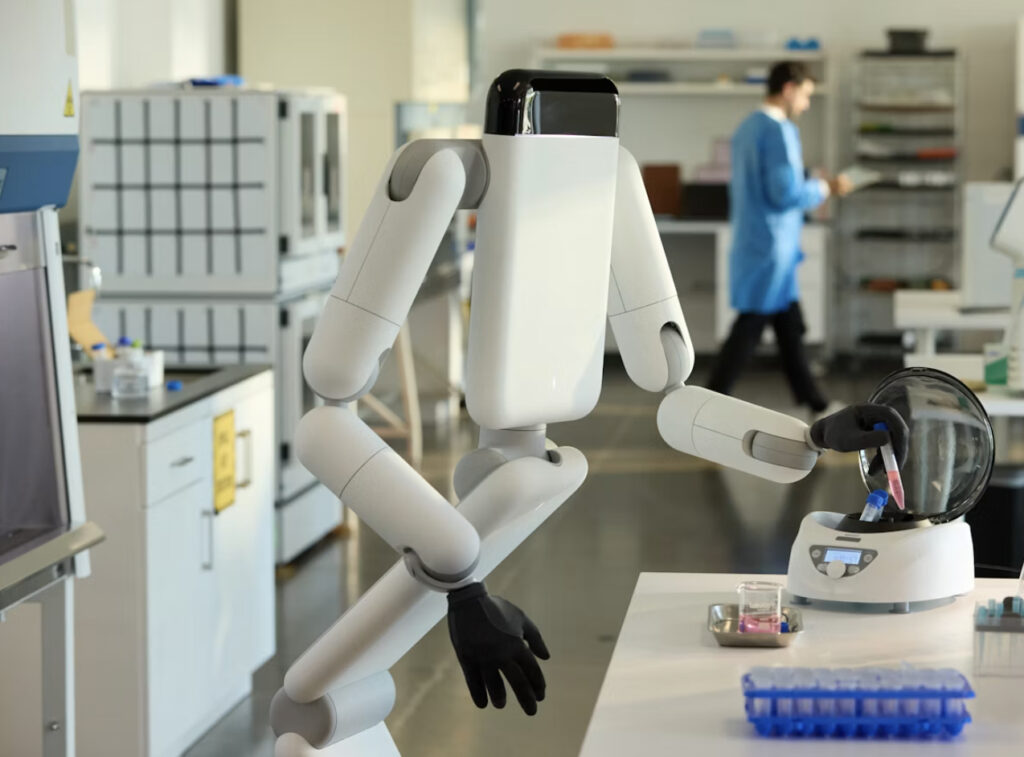
Genesis AI has also created a robot called Eno, which is an alternative to humanoid robots. The startup is looking to use the wheeled robot in hotels, hospitals, manufacturing, logistics and labs.
Eno has no face or head, and has two robotic arms which can handle human tools. The machine has adjustable height panels and can be folded into a compact size for easy transportation.
Genesis AI plans to begin production by the end of 2026, with Eno rolling out first with industrial customers including manufacturing, logistics companies and laboratories, followed by service industry customers such as hotels and hospitals, with consumer home and outdoor applications to follow.
The company is expanding fast, increasing its offices from Paris, to San Francisco and now moving into London.
The funding will accelerate the development and deployment of the robots as well as attracting new talent to the company.
The robotics market is capturing the attention of venture capitalists. Other major players in the are Neura Robotics, which raised $1.4bn in June, and Humanoid, with an investment of $152m.
In 2026, the robotics market grew from $38bn to $49bn, with more than five million industrial robots operating in factories around the world. China is leading robotics adoption, with more than 70% of new industrial robot installations, which can work in automotive assembly, welding and packaging, alongside human workers.